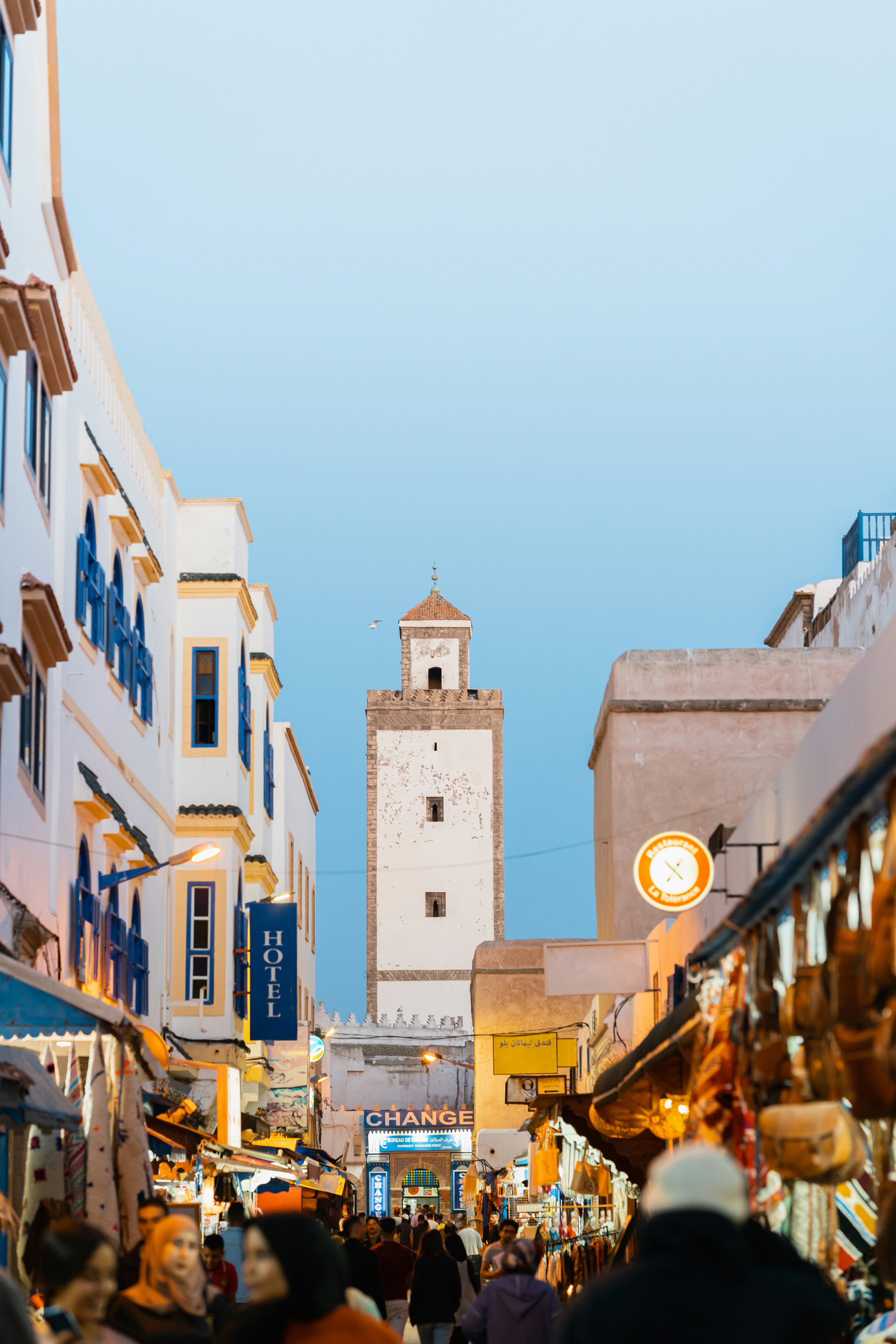
Overview of Laayoune Airport
Laayoune Airport, known by its IATA code EUN, serves as the principal airport in Western Sahara. It is located approximately 5 kilometers from the city of Laayoune, the administrative and economic center of the region. Established in the mid-20th century, Laayoune Airport has undergone various phases of development, reflecting the shifting socio-political landscape of Western Sahara.
The airport was originally constructed to facilitate military operations during the 1970s. However, as the region transitioned towards civilian governance and an emphasis on tourism and regional connectivity, Laayoune Airport evolved into a crucial transport hub. This transformation highlights the airport’s significance in bridging Western Sahara with other parts of Morocco and beyond.
Historically, the airport witnessed a substantial increase in passenger traffic, particularly in recent years, as interest in the region’s unique landscapes and cultural heritage has grown. Laayoune Airport provides essential connections to major Moroccan cities such as Casablanca and Agadir, as well as international destinations, facilitating trade and tourism. The presence of various airlines has contributed to increased accessibility and the growth of tourism infrastructure in Laayoune.
In terms of facilities, the airport offers a range of services that cater to both domestic and international travelers, including a terminal building with amenities such as shops, cafes, and car rental services. Enhancements to the runway and terminals have improved the airport’s operational efficiency, making it more capable of handling a larger volume of traffic.
Overall, Laayoune Airport stands as a pivotal gateway to Western Sahara, enabling economic growth and fostering international relations by providing vital air connectivity for travelers and businesses alike.
Facilities and Services at Laayoune Airport
Laayoune Airport serves as an essential gateway to Western Sahara, offering a range of facilities and services designed for the convenience and comfort of passengers. The airport has made considerable efforts to ensure that travelers have access to amenities that enhance their airport experience.
One of the notable features of Laayoune Airport is its comfortable lounges, where passengers can relax and unwind before their flights. These lounges are equipped with seating areas and various refreshments, providing a pleasant environment for both leisure and business travelers. Additionally, there are shops available that offer a selection of local goods, travel essentials, and souvenirs, ensuring visitors can find something to commemorate their journey.
For dining options, Laayoune Airport includes a café and snack bar that serve a range of refreshments, including local cuisine and international food choices. This allows travelers to grab a bite to eat or enjoy a drink while waiting for their flights. Other amenities include free Wi-Fi throughout the terminal, enhancing connectivity for passengers who wish to stay online.
To facilitate seamless travel, Laayoune Airport provides several transportation options for getting to and from the airport. This includes taxi services, which are readily available outside the terminal. Additionally, car rental services are provided by several well-known companies, offering travelers the flexibility to explore the region at their convenience.
Business travelers will also appreciate the airport’s offerings, which may include workstations equipped with charging points and areas designed for productivity. Overall, Laayoune Airport emphasizes passenger comfort and efficiency, making the experience as smooth as possible for all who pass through its gates.
Airlines and Destinations
Laayoune Airport serves as a significant transportation hub within Western Sahara, facilitating both domestic and international travel. The airport is primarily serviced by several airlines including Royal Air Maroc, which operates the majority of the routes, along with a few seasonal carriers that enhance the travel options available to passengers.
Royal Air Maroc connects Laayoune to major cities such as Casablanca and Agadir, providing essential links for those traveling for business or leisure. These connections are particularly important as they allow visitors to access the rich cultural and natural landscapes of Western Sahara, ultimately contributing to the region’s growing tourism sector.
In addition to these regular flights, Laayoune Airport also offers seasonal routes that can attract a surge of tourists during peak travel times. For instance, certain airlines may introduce flights during the summer months or around specific holidays, further expanding the accessibility of the region. This flexibility in airline operations is instrumental in showcasing the unique attractions of Western Sahara, from its stunning desert landscapes to vibrant local markets.
The implications of these flight connections extend beyond mere convenience; they play a crucial role in stimulating economic activity in the region. With improved access to Laayoune, businesses can thrive by attracting tourists and investors alike. Additionally, increased air traffic can lead to job creation in sectors ranging from hospitality to transportation, thus benefiting the local economy.
Ultimately, Laayoune Airport stands as a vital gateway, enabling travelers to explore the wonders of Western Sahara while simultaneously fostering a robust economic environment. The interplay between airlines, destinations, and local economic growth underscores the airport’s significance in shaping the region’s future.
Travel Tips and Recommendations
Traveling to Laayoune via Laayoune Airport presents a unique experience, and being prepared can enhance your journey. First, it is crucial to familiarize yourself with the check-in procedures at Laayoune Airport. Arriving at least two hours before your flight is advisable to allow enough time for check-in, baggage drop, and any unforeseen delays. Ensure you have all relevant documents ready, including your identification and flying tickets.
Security regulations are in place at Laayoune Airport, as with most airports worldwide. It is advisable to check the airline’s specific baggage policies beforehand, as restrictions may vary. Ensure that prohibited items such as liquids exceeding the allowable volume and sharp objects are safely packed to avoid complications during security screening.
Upon arrival in Laayoune, various local transportation options are available. Taxis operate around the airport, offering a convenient means to reach your destination. Alternatively, consider renting a car for added flexibility in exploring the picturesque surroundings of Western Sahara. Establishing an agreement with the rental agency in advance can help streamline the process.
Timing your trip is also crucial. The best times to visit Laayoune are during the cooler months, from October to April, when the temperatures are generally more pleasant. This period allows for comfortable exploration of local attractions without the heat becoming overwhelming.
Cultural considerations should be taken into account to respect local customs. Dress modestly, particularly when visiting religious sites, and be respectful towards local traditions. Engaging with the local community can offer a more enriching experience.
Finally, while in Laayoune, take the opportunity to explore its attractions. Noteworthy sites include the local markets, museums, and the vast desert landscapes, which showcase the beauty of the Western Sahara region. Planning your itinerary effectively can create lasting memories of your travels in this unique destination.