

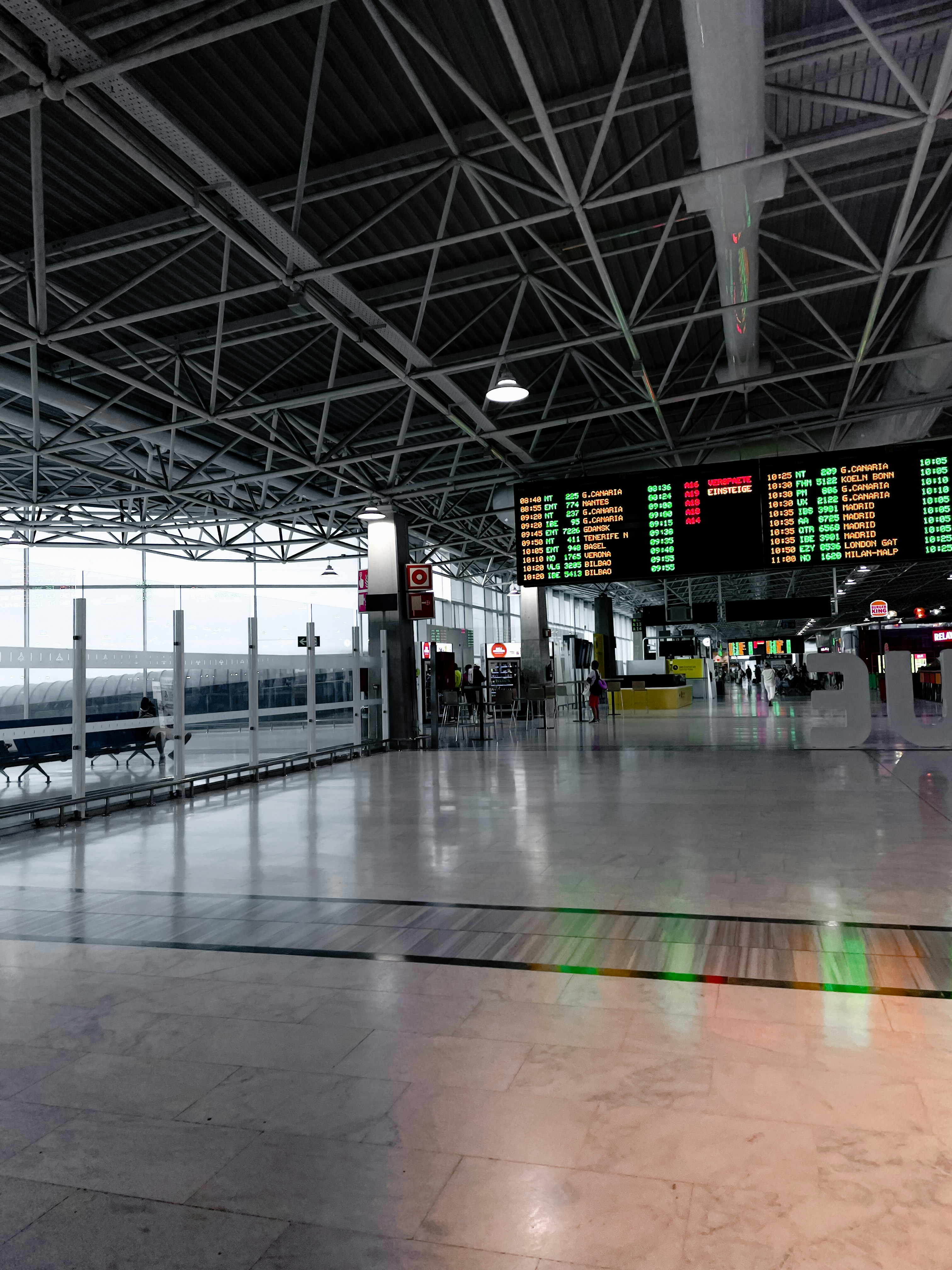
Overview of the New Airport Terminal
Rabat’s new airport terminal represents a significant advancement in the nation’s air travel infrastructure. Strategically located near the city center, this terminal is designed to strengthen Rabat’s position as a vital hub for international travel. Spanning an impressive 65,000 square meters, the terminal is equipped to handle approximately 3.5 million passengers annually, a considerable increase compared to the previous facility’s capacity. This enhancement is aimed at accommodating growing air traffic demands and is a pivotal element of Morocco’s broader vision to elevate its transportation networks.
The terminal stands out not only for its size but also for its modern architectural design, which embodies a blend of contemporary aesthetics and traditional Moroccan art. Glass facades allow for natural light, while spacious areas are purposefully designed to ensure an effortless flow for travelers. Key features include advanced check-in systems, numerous retail outlets, and dedicated lounges that cater to both domestic and international travelers. Moreover, the terminal offers improved accessibility measures to ensure that all passengers, including those with reduced mobility, have a comfortable travel experience.
The motivation behind the construction of this terminal is clear: to enhance the overall travel experience and to better serve the growing number of international flights. As Morocco continues to boost its tourism sector and attract global business connections, this terminal is set to play an essential role in facilitating these movements. This ambitious project highlights the government’s commitment to investing in essential infrastructure and promoting Rabat as a prominent global gateway.
Economic Impact of the Airport Terminal
The construction of Rabat’s new airport terminal is poised to significantly bolster both local and national economies. As a strategic enhancement to the existing infrastructure, this development is expected to stimulate economic growth through various channels, particularly tourism, trade, and job creation.
Tourism is projected to benefit immensely from the new terminal, as easier access to the capital city is likely to attract a greater number of international visitors. Industry experts suggest that improved air travel connectivity will not only increase tourist footfall but will also extend the average tourist stay in the area. Enhanced local attractions and cultural experiences aligned with this influx will further invigorate the economy.
Trade potential is another element that affirms the airport terminal’s economic significance. The terminal will facilitate smoother logistics for importers and exporters, opening avenues for increased trade partnerships and exchanges with other regions. Ports of entry and distribution routes are expected to diversify, presenting new opportunities for local businesses to thrive on a larger scale.
In addition to bolstering tourism and trade, the new terminal is anticipated to create numerous jobs, both directly within the airport and indirectly through increased demand for ancillary services. Estimates suggest that thousands of new positions will arise across various sectors including hospitality, transportation, and retail. With employment prospects on the rise, the terminal will play a pivotal role in enhancing the overall quality of life in Rabat and its vicinity.
Moreover, the development has the potential to position Rabat as a regional aviation hub. Attracting international airlines to operate from the new terminal is crucial for establishing regular flight routes and enhancing competitiveness. As Rabat gains recognition as a key travel center, it will likely witness a cascading effect, drawing further investments and stimulating economic resilience.
Sustainability Features and Innovations
The new terminal at Rabat Airport serves not only as a major transport hub but also as a model of sustainable architecture and innovation. Focusing on energy efficiency, the design incorporates advanced insulation techniques and high-performance glass. These elements work synergistically to minimize energy consumption while maximizing natural light, significantly reducing reliance on artificial lighting during the day. The terminal is equipped with solar panels that harness renewable energy, contributing to the airport’s overall sustainability goals and decreasing its carbon footprint.
In addition to energy efficiency, the airport terminal implements effective water conservation practices. Rainwater harvesting systems are strategically integrated across the facility, allowing the collection of rainwater for reuse in irrigation and toilet facilities. This innovative approach not only conserves precious water resources but also aligns with Morocco’s broader efforts to address water scarcity issues. Moreover, the terminal features low-flow fixtures and innovative plumbing systems to further enhance water efficiency.
The use of eco-friendly materials is also a key aspect of the sustainable design. The construction of the terminal utilizes locally sourced materials, minimizing the environmental impact associated with transportation. These materials have been selected for their durability and low environmental impact, contributing to a sustainable lifecycle of the building. The terminal’s architectural design reflects traditional Moroccan aesthetics, seamlessly blending modern functionality with local cultural heritage.
Through these initiatives, Rabat Airport’s new terminal exemplifies Morocco’s commitment to global sustainability trends and combating climate change. By prioritizing energy efficiency, water conservation, and environmentally responsible materials, the terminal sets a standard for future infrastructure projects in the region and underscores the importance of sustainable development in aviation.
Future Prospects and Community Engagement
The inauguration of Rabat’s new airport terminal represents a significant milestone, not just in aviation but also for the local community surrounding it. As the terminal opens its doors, its future prospects will play a crucial role in shaping the region’s economic landscape. Stakeholders, including local government, businesses, and residents, have a vested interest in how the terminal evolves over time. Effective community engagement will be pivotal in harnessing the benefits of this development while addressing any arising challenges.
One of the key areas for future development is enhancing the existing infrastructure to accommodate an increasing number of travelers. This could include plans for expansions when passenger traffic exceeds expectations, as well as upgrades to surrounding transport systems to ensure smooth connectivity. By committing to ongoing assessments and potential modifications in response to changing travel trends, the terminal can position itself as a forward-looking gateway.
Moreover, community involvement is essential; inclusive discussions about airport operations and their implications can foster trust and collaboration. Establishing forums for public feedback, where local stakeholders can voice concerns and suggestions, is a step towards achieving a symbiotic relationship. The airport’s management must prioritize transparency as it navigates issues such as noise pollution, environmental impact, and economic benefits.
However, challenges such as adapting to fluctuating global travel demands may arise, necessitating flexibility in operations and strategic planning. Future considerations might also involve integrating sustainable practices within the terminal’s activities. Addressing such challenges requires holistic foresight and the continuous engagement of local communities to ensure that the airport not only serves as a transit point but also enriches the socio-economic fabric of Rabat.
