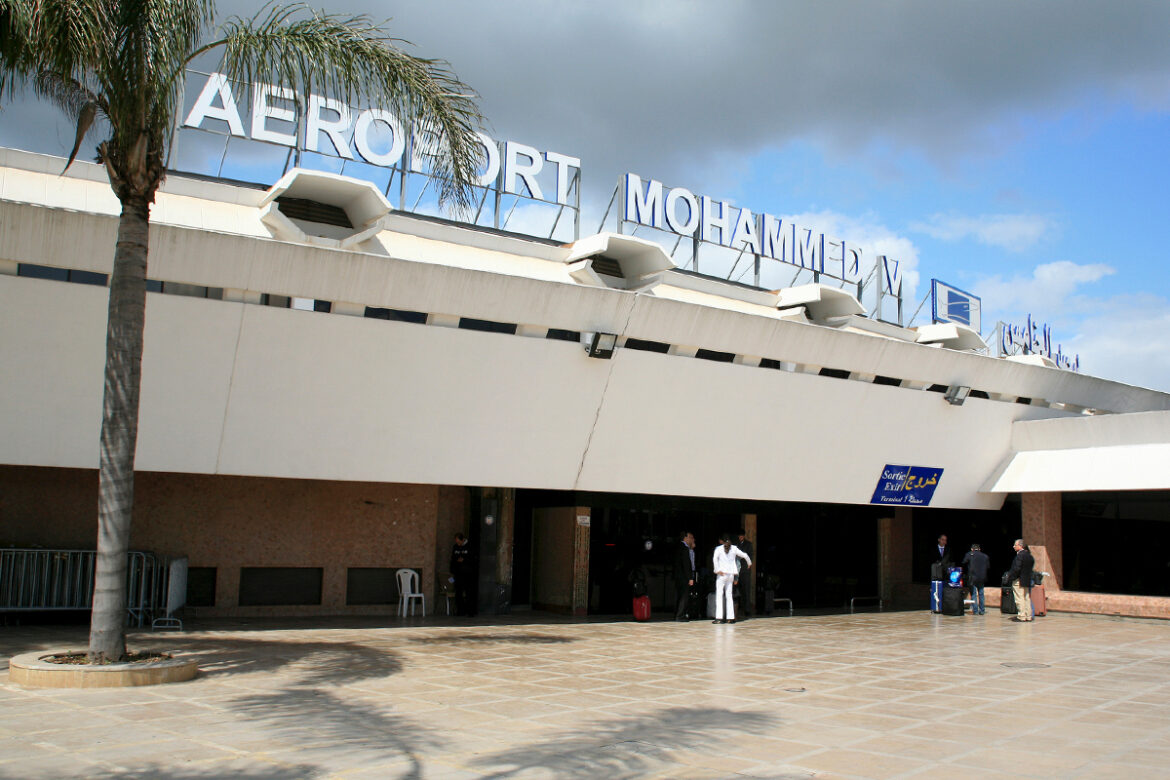
Casablanca is Morocco’s economic powerhouse, often overlooked as a mere transit hub, but a 2026 itinerary reveals a city of art deco architecture, coastal energy, and authentic culinary depth. Planning the perfect trip in 2026 means balancing iconic sights with local experiences, and this guide provides a definitive, day-by-day framework, practical logistics, and insider angles for a memorable visit. Navigating Casablanca Airport: The Ultimate Guide to Airport Taxis
Quick Answer: Casablanca is best experienced as a 2-3 day city break. A 3-day itinerary allows you to explore the city’s architectural and historic core, its coastal districts, and take a day trip to Rabat or El Jadida, while a 2-day version focuses on the essential highlights.
Key Takeaways
- Casablanca is best explored as a 2–3 day city break, not just a layover.
- The Hassan II Mosque is the only must-book-in-advance attraction; other sites can be visited spontaneously.
- Use the city’s tram system and petit taxis to navigate efficiently; ride-hailing apps are also reliable.
- The “Old Medina” is a working-class neighborhood, not a tourist souk — visit for authenticity, not shopping.
- A 2026 itinerary should include a day trip to nearby Rabat or the coastal town of El Jadida for a fuller experience.
The Complete Answer: What Is the Ideal Casablanca Travel Itinerary for 2026?

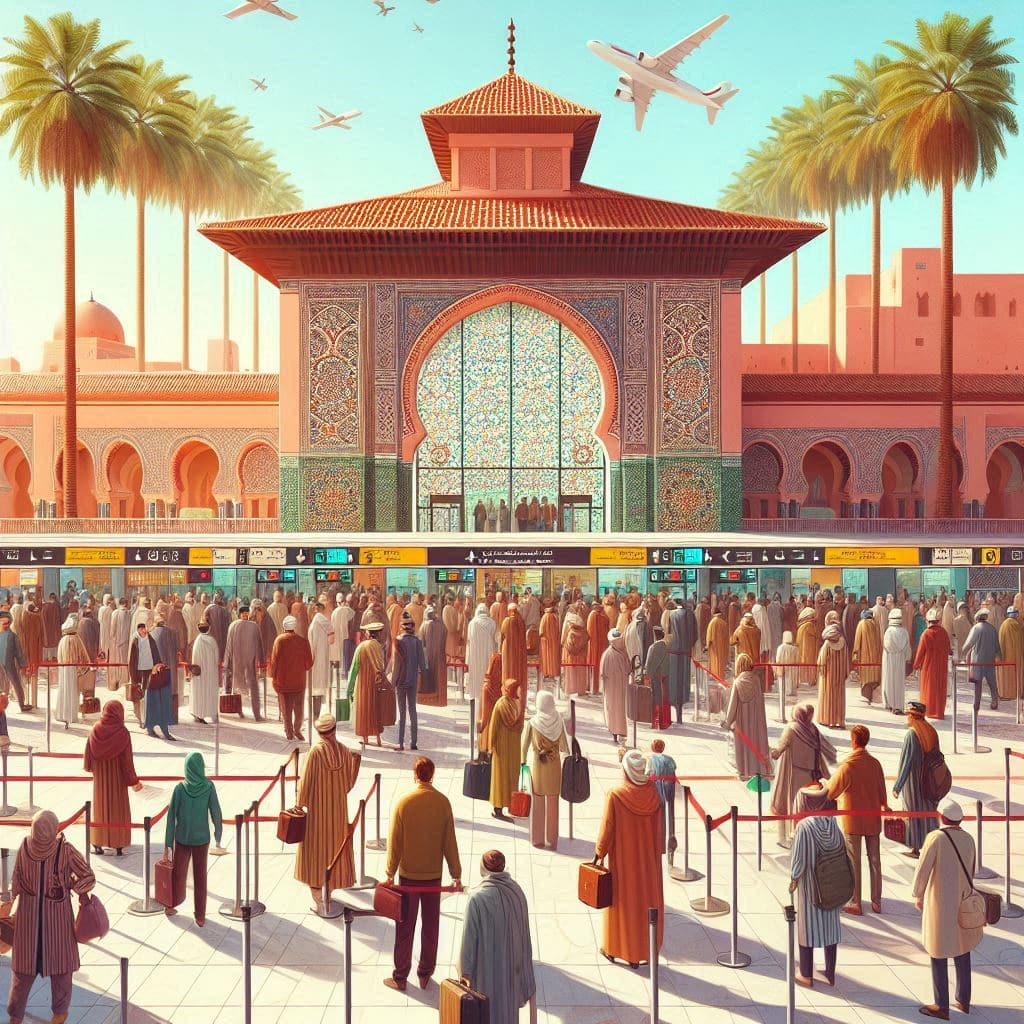
Iconic mosque and art deco district showcasing Morocco’s urban heritage and authentic transit culture.
The ideal Casablanca travel itinerary 2026 is a flexible framework that prioritizes the city’s unique character. The city rewards travelers who look beyond the surface, offering a blend of Moorish heritage, French colonial legacy, and modern African urbanism.
The 3-Day Core Framework
This structure allows you to see the city’s main facets without rushing.
- Day 1: Historic & Architectural Core — Focus on the Hassan II Mosque, the city’s historic heart, and the Art Deco district.
- Day 2: Coastal & Modern Casablanca — Explore the Old Medina, the Habous Quarter, and the modern Corniche.
- Day 3: Local Life & Day Trip — Venture out to Rabat or El Jadida, or delve deeper into local neighborhoods and cuisine.

Vibrant seaside promenade featuring modern trams, local café culture, and Atlantic coastal energy.
The 2-Day Express Version
For layovers or short stays, a 2-day version is still rewarding. Day 1 combines the Hassan II Mosque with the city center’s Art Deco architecture. Day 2 covers the Old Medina, the Habous Quarter, and the Corniche, with a focus on local food and coastal views.
Best Time to Visit in 2026
Casablanca has a mild, Mediterranean-influenced climate. Spring (March to May) and autumn (September to November) offer the most comfortable temperatures for walking. Summer (June to August) is warm and humid, while winter is mild but can be rainy. Travelers should be aware of Ramadan, which shifts annually; in 2026, Ramadan is expected to begin around February 18 and end around March 19. Traveling during this period is possible, but some restaurants and attractions may have altered hours.
Quick Answer: For a first-time visitor with limited time, a 2-day itinerary in Casablanca is a solid starting point. However, a 3-day plan is ideal as it allows for a day trip to Rabat or El Jadida, providing a more complete picture of the region.
Day 1: The Architectural Grandeur & Old City Layers
Your first day in Casablanca is about understanding its scale and its history, starting with the city’s most iconic landmark.
Morning: Hassan II Mosque — The Definitive Visit
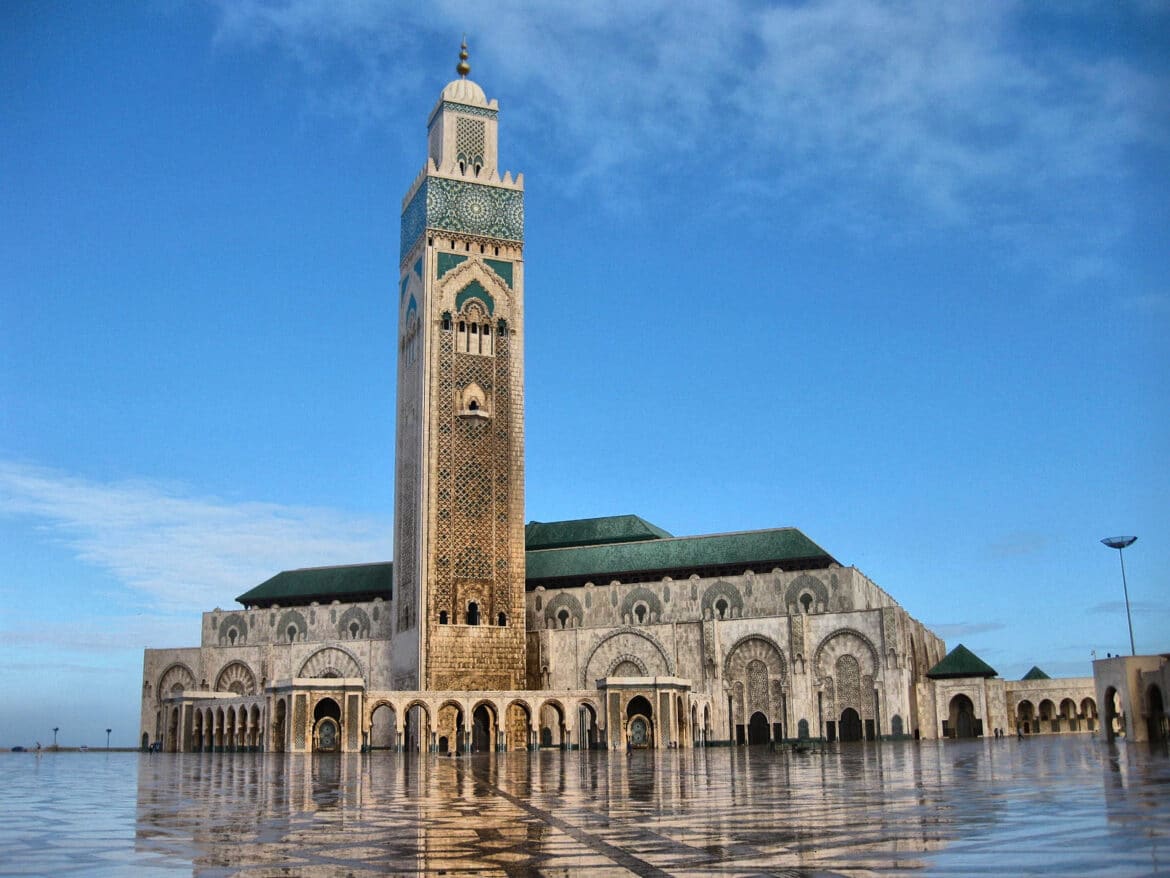
The Hassan II Mosque is a masterpiece of Moorish architecture, dramatically perched on a promontory overlooking the Atlantic Ocean. It is one of the largest mosques in the world and a must-see for any visitor.
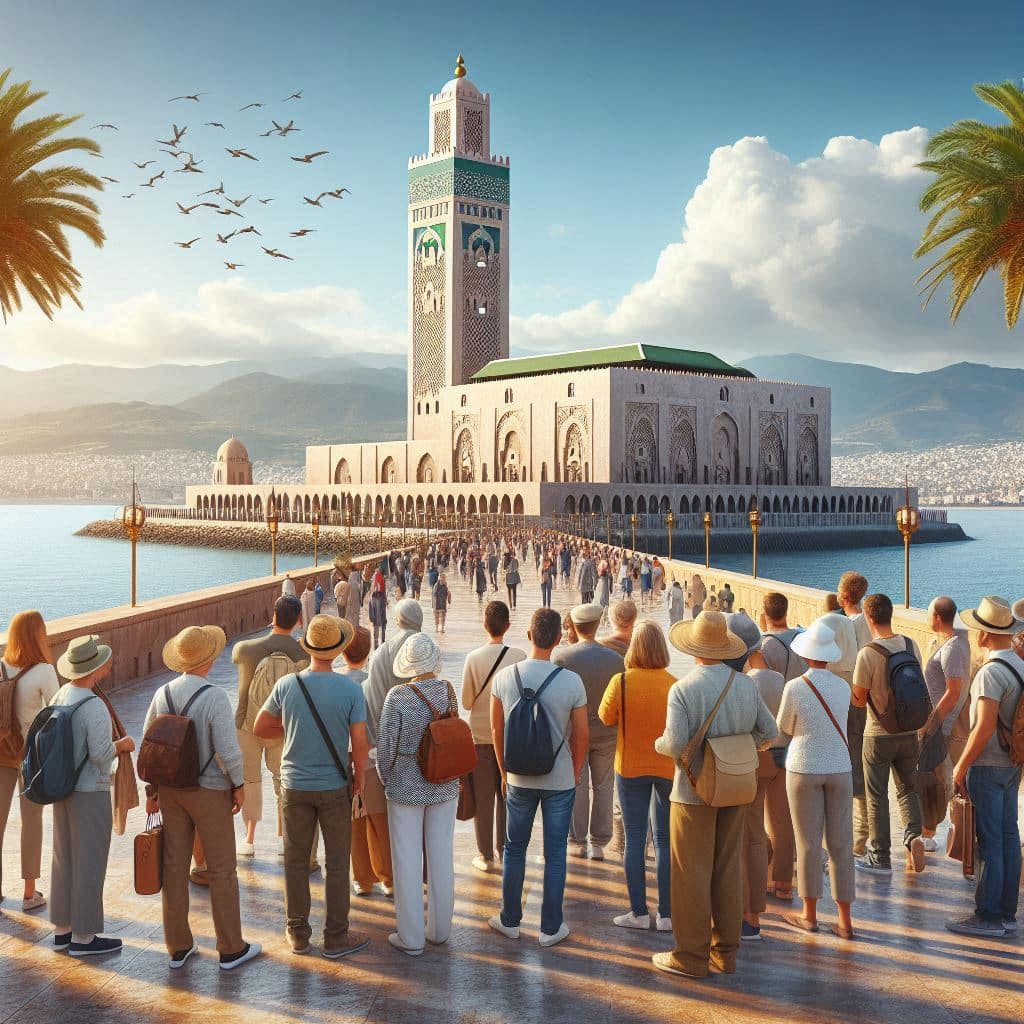
- Ticket Booking: Entry is for non-Muslims only via guided tours. Tickets must be purchased online in advance through the official website, as they often sell out. Book at least a week or two ahead, especially for the main tour times.
- Tour Times: Tours run several times a day, typically in the morning and early afternoon. The schedule can change, so check the official website for the most up-to-date times.
- Dress Code: Modest attire is required. Women should cover their hair with a scarf, and everyone should cover their shoulders and knees. Scarves are sometimes provided at the entrance.
Definition: The Hassan II Mosque is a colossal religious structure completed in 1993, designed by architect Michel Pinseau. It is famous for its soaring minaret, which is the tallest in the world, and its location over the Atlantic Ocean, with a glass floor allowing worshippers to see the sea below. The Ultimate Guide to Airport Transfers in Morocco online
Afternoon: The Historic Heart — Place des Nations Unies, the Royal Palace, and the Art Deco District
After the mosque, walk toward the city center. Start at Place des Nations Unies, the central square that marks the beginning of the modern city. From here, you can see the exterior of the Royal Palace and the surrounding government buildings.
The real highlight is the Art Deco District, centered around Boulevard Mohammed V. This area is home to some of the finest examples of Art Deco and Neo-Moorish architecture in the world, dating from the French protectorate era. A self-guided walking tour is the best way to appreciate the buildings, including the iconic Cinema Rialto and the Post Office building.
Evening: The Corniche and Ain Diab Beach
End your day with a drive or walk along the Corniche, the seaside boulevard that runs along Ain Diab Beach. This is where Casablanca comes to relax. The area is lined with beach clubs, cafés, and seafood restaurants. It’s a great spot for sunset views over the Atlantic, followed by a dinner of fresh grilled fish.
Day 2: From the Medina to the Modern Metropolis
Day 2 is about contrasting the city’s historic layers with its modern, living neighborhoods.
Morning: The Old Medina (Medina of Casablanca) — A Walk Through Authentic Life
Unlike the medinas of Marrakech or Fes, the Old Medina of Casablanca is not a tourist souk. It is a working-class neighborhood, a dense labyrinth of narrow streets filled with local life, small shops, and workshops. It’s a place to experience the city’s everyday rhythm. Walk through its alleys, observe the hustle, and perhaps stop for a mint tea at a local café. It’s not a place for souvenir shopping, but for an authentic glimpse into local life.
Afternoon: The New Medina (Habous Quarter) — A 1930s Planned City
In contrast, the Habous Quarter (or Nouvelle Medina) was built in the 1930s by the French as a “new medina.” It was designed to blend traditional Moroccan architectural elements with modern urban planning. It’s a more organized and picturesque area, with arcaded streets and a central market. This is the best place in Casablanca for shopping for crafts, leather goods, and traditional clothing, with fixed prices and a more relaxed atmosphere than the tourist souks.
Evening: The Quartier des Habous and the Royal Palace Gate
Spend your evening in the Habous Quarter as it quiets down. The area is beautiful at dusk, and the Royal Palace Gate is a particularly photogenic spot. It’s also a wonderful place to experience local café culture, sitting among residents and enjoying the evening air.
Day 3: Coastal Escapes and Local Flavors
Your final day offers a choice: explore the region or dive deeper into Casablanca’s local side.
Morning: Day Trip Option A — El Jadida
El Jadida is a UNESCO World Heritage site and a charming coastal town about 1.5 hours south of Casablanca by train. Its main attraction is the Portuguese City, a walled fortress with a unique cistern that looks like a subterranean cathedral. The town also has a relaxed beach atmosphere and a fresh seafood scene.
Morning: Day Trip Option B — Rabat
Rabat, the capital of Morocco, is a more conventional day trip, just about 1 hour from Casablanca by train. It’s a clean, modern city with important sights like the Hassan Tower, the Mausoleum of Mohammed V, and the Kasbah of the Udayas, a historic fortress overlooking the Atlantic. It’s a great contrast to Casablanca’s commercial energy. The Ultimate
Afternoon/Evening: Return to Casablanca — The Rick’s Café Experience and a Final Moroccan Dinner
Return to Casablanca in the afternoon. For a unique experience, visit Rick’s Café, a bar and restaurant designed to recreate the atmosphere of the fictional café from the classic film Casablanca. It’s important to note that it is a themed replica, not the actual location from the movie. It’s a popular spot, so booking in advance is advised.
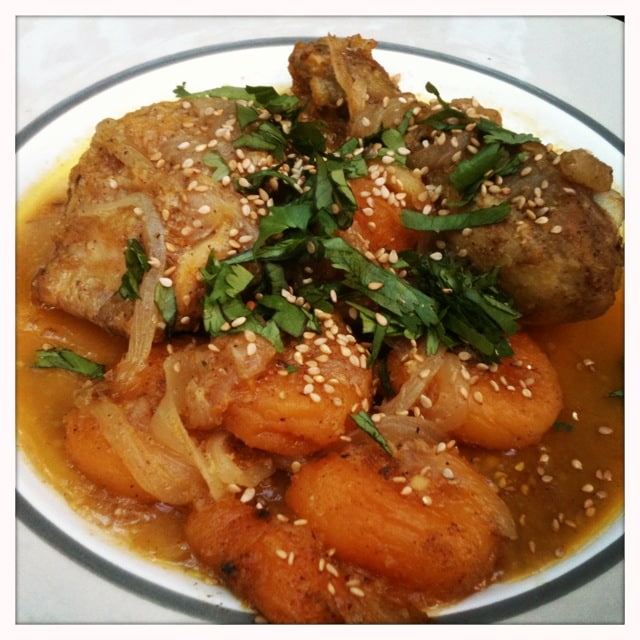
For your final dinner, explore the city’s culinary scene. Casablanca is known for its excellent seafood, but you can also find traditional Moroccan dishes like tagine and couscous. A popular local food experience is to sample street food, such as bocadillos (sandwiches) or sfenj (Moroccan doughnuts), from local stalls.
Quick Answer: While Marrakech and Fes are famous for their historic medinas, Casablanca offers a different experience. It’s Morocco’s economic capital, characterized by its impressive Art Deco architecture, the majestic Hassan II Mosque, and a more modern, cosmopolitan vibe. It’s a worthwhile destination for its unique urban character and coastal setting.
Practical Logistics: Getting Around, Where to Stay, and Budget Planning
Efficient logistics are key to a smooth Casablanca travel itinerary 2026.
Transportation: Tram, Taxis, and Trains
- Tramway: Casablanca has an efficient and modern tram system with two main lines. It’s the best way to travel long distances across the city without traffic. You can buy a rechargeable card at any tram stop.
- Petit Taxis: These are small, red, city taxis that are metered. They are the most common way to get around for short trips. Always ensure the meter is running.
- Trains: The main Casa-Voyageurs train station is a hub for regional and national trains. For day trips to Rabat or El Jadida, the train is the easiest and most reliable option. The Complete Guide to Airports in Morocco: Ranking by Busiest online
Neighborhoods for Accommodation
- Gauthier and Racine: These are central, upscale neighborhoods known for their Art Deco buildings, good restaurants, and proximity to the city center. They are ideal for first-time visitors.
- The Corniche: Staying near the coast offers a beachside atmosphere, with many hotels and a focus on leisure, but it’s further from the historic center.
Budget Breakdown for 2026
Casablanca can be more expensive than other Moroccan cities.
- Backpacker: A daily budget for a hostel bed and street food is possible.
- Mid-Range: A comfortable hotel room and meals in mid-range restaurants will cost more.
- Luxury: High-end hotels and fine dining will significantly increase the daily cost.
Comparison Table: Tram vs. Petit Taxi vs. Ride-Hailing Apps
| Feature | Tramway | Petit Taxi | Ride-Hailing Apps |
|---|---|---|---|
| Cost | Cheapest for long distances | Moderate; metered | Similar to petit taxis, often more expensive during peak times |
| Availability | Frequent, but limited to fixed routes | Easy to hail on most streets | Easy to book via app |
| Comfort | Good for short to medium trips | Good; can be cramped | Good; usually cleaner and more comfortable |
| Best Use Case | Traveling between major districts | Short trips and when tram is not an option | Airport transfers, late-night travel, or when you want a fixed price |
Step-by-Step: Your 7-Step Planning Checklist for Casablanca in 2026
- Check the 2026 calendar for Ramadan (expected Feb 18 – Mar 19) and other national holidays to plan for potential schedule changes.
- Book your Hassan II Mosque entry ticket online at least 2 weeks in advance, especially for the main tour times.
- Decide on your trip length (2 days vs. 3 days) and book accommodation in the Gauthier or Racine district.
- Plan your day trip (El Jadida or Rabat) and check train times online to ensure a smooth connection.
- Download the local tram app and a ride-hailing app (e.g., Careem, InDrive) for easy navigation.
- Learn a few basic French or Darija phrases (e.g., “Salam”, “Shukran”) – it goes a long way with locals.
- Pack for the weather — light layers for the coast, modest attire for religious sites, and comfortable walking shoes.
FAQ: Quick Answers for Your Casablanca Itinerary
How many days do I need in Casablanca?
A 2-day itinerary is enough to see the main highlights, but 3 days is ideal to take a day trip and experience the city more deeply.
Is Casablanca safe for tourists?
Yes, Casablanca is generally a safe city for tourists. As with any major city, it’s wise to be aware of your surroundings and keep an eye on your belongings, especially in crowded areas.
Can I visit the Hassan II Mosque as a non-Muslim?
Yes, non-Muslims are permitted to enter the Hassan II Mosque, but only as part of a guided tour. Independent entry is not allowed.
Is Casablanca worth visiting compared to Marrakech or Fes?
Yes, Casablanca is worth visiting for a different Moroccan experience. It’s a modern, cosmopolitan city with a unique architectural heritage and a vibrant coastal culture, contrasting with the imperial cities’ historic medinas.
What is the best way to get from CMN Airport to the city center?
The most reliable and comfortable option is to take a train from the airport station, which runs frequently to the city center (Casa-Voyageurs station). Taxis and ride-hailing apps are also available but can be more expensive.
Conclusion
A well-planned Casablanca travel itinerary 2026 offers a unique and rewarding experience. The 3-day structure provides the perfect balance of iconic sights, local exploration, and a regional day trip, while the 2-day version ensures you see the essentials. Casablanca is a city of contrasts — from the grand Hassan II Mosque to the gritty Old Medina — and a 2026 visit rewards those who look beyond the surface. Start planning with the checklist, book your mosque tickets, and prepare for a unique Moroccan urban adventure.