
Pour trouver les meilleurs souvenirs de Casablanca en 2026, privilégiez l’artisanat authentique tel que les lanternes en cuivre, les tapis berbères tissés à la main, l’huile d’argan pure et les épices comme le Ras el-Hanout. Les lieux de prédilection sont les souks de la Médina pour l’artisanat d’art et le Marché Central pour les produits gastronomiques. Pour garantir l’authenticité, fuyez les produits industriels et privilégiez les coopératives de femmes ou les boutiques spécialisées certifiées.
Meilleurs Souvenirs Casablanca 2026 : Guide Ultime pour des Cadeaux Authentiques et Mémorables
Casablanca en 2026 s’affirme comme le poumon économique et culturel du pays, offrant une diversité de produits exceptionnelle pour les voyageurs en quête d’originalité. Ce guide est conçu pour vous orienter parmi la multitude d’options disponibles, en mettant l’accent sur la qualité et l’éthique. Choisir un souvenir, c’est emporter un fragment de la culture et patrimoine casablancais chez soi, en soutenant directement les artisans locaux qui perpétuent des gestes ancestraux.
L’enjeu de ce guide est de vous éviter les pièges classiques de la consommation touristique de masse. Nous allons détailler comment identifier les véritables pièces d’artisanat et où dénicher les trésors cachés de la métropole. Que vous cherchiez de la décoration, des cosmétiques ou de la gastronomie, vous trouverez ici toutes les clés pour réussir votre shopping. Pour optimiser votre arrivée, consultez notre best Navigating Casablanca Airport: The Ultimate Guide to Airport Taxis.
Key Takeaways
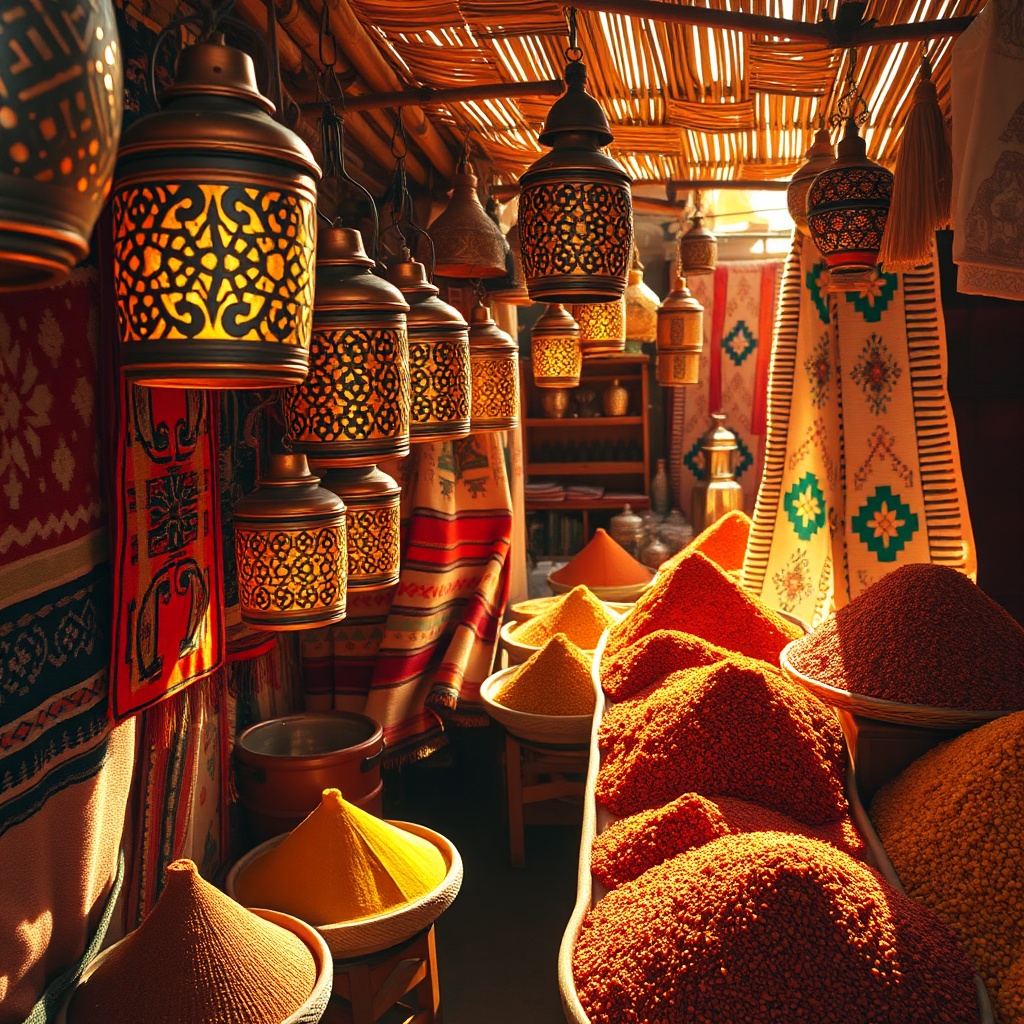
A vibrant display of traditional Moroccan crafts and spices in a local market.
- Les meilleurs souvenirs de Casablanca en 2026 allient tradition, qualité et originalité.
- Privilégiez les produits artisanaux comme les lanternes en cuivre, les tapis berbères et les épices locales.
- Les marchés comme le Marché Central et les souks de la Médina sont des incontournables.
- Vérifiez l’authenticité des articles pour éviter les contrefaçons.
- Pensez aux souvenirs pratiques et transportables (thé à la menthe, savon noir, huiles essentielles).
🏆 Top 10 des Meilleurs Souvenirs à Rapporter de Casablanca en 2026
La sélection des meilleurs cadeaux Casablanca repose sur un équilibre entre l’esthétique et la facilité de transport. En 2026, la tendance est au retour aux sources avec des produits bruts et naturels.
- Lanternes en cuivre et laiton : Les modèles travaillés à la main dans les ateliers de la Médina projettent des ombres géométriques magnifiques.
- Tapis berbères : Chaque pièce est une œuvre d’art unique, tissée selon des motifs symboliques transmis de génération en génération.
- Épices et mélanges exclusifs : Le Ras el-Hanout, le curcuma pur et la cannelle de haute qualité sont les piliers de la gastronomie locale Casablanca.
- Service à thé : Un ensemble comprenant une théière en laiton et des verres ciselés est un classique indémodable.
- Cosmétiques naturels : L’huile d’argan et le savon noir sont des incontournables pour un rituel de soin authentique.
- Babouches en cuir : Disponibles en une infinité de couleurs, elles sont souvent personnalisables selon vos goûts.
- Poteries en Zellige : Ces céramiques aux motifs géométriques apportent une touche de couleur immédiate à votre intérieur.
- Huiles essentielles : الrose et l’orange amère sont particulièrement prisées pour leur parfum envoûtant.
- Instruments de musique : Un petit oud ou une darbuka pour les passionnés de sonorités orientales.
- Pâtisseries marocaines : Les cornes de gazelle ou la chebakia, emballées sous vide, pour un voyage gustatif sans frontières.
Quick Answer : Quel est le souvenir le plus facile à transporter?
Les produits de petite taille et non fragiles sont idéaux. Privilégiez les épices en sachets, les huiles essentielles, les bijoux en argent ou les textiles légers comme les foulards en soie. Évitez les céramiques volumineuses ou les lanternes lourdes si vous voyagez avec un bagage cabine restreint.
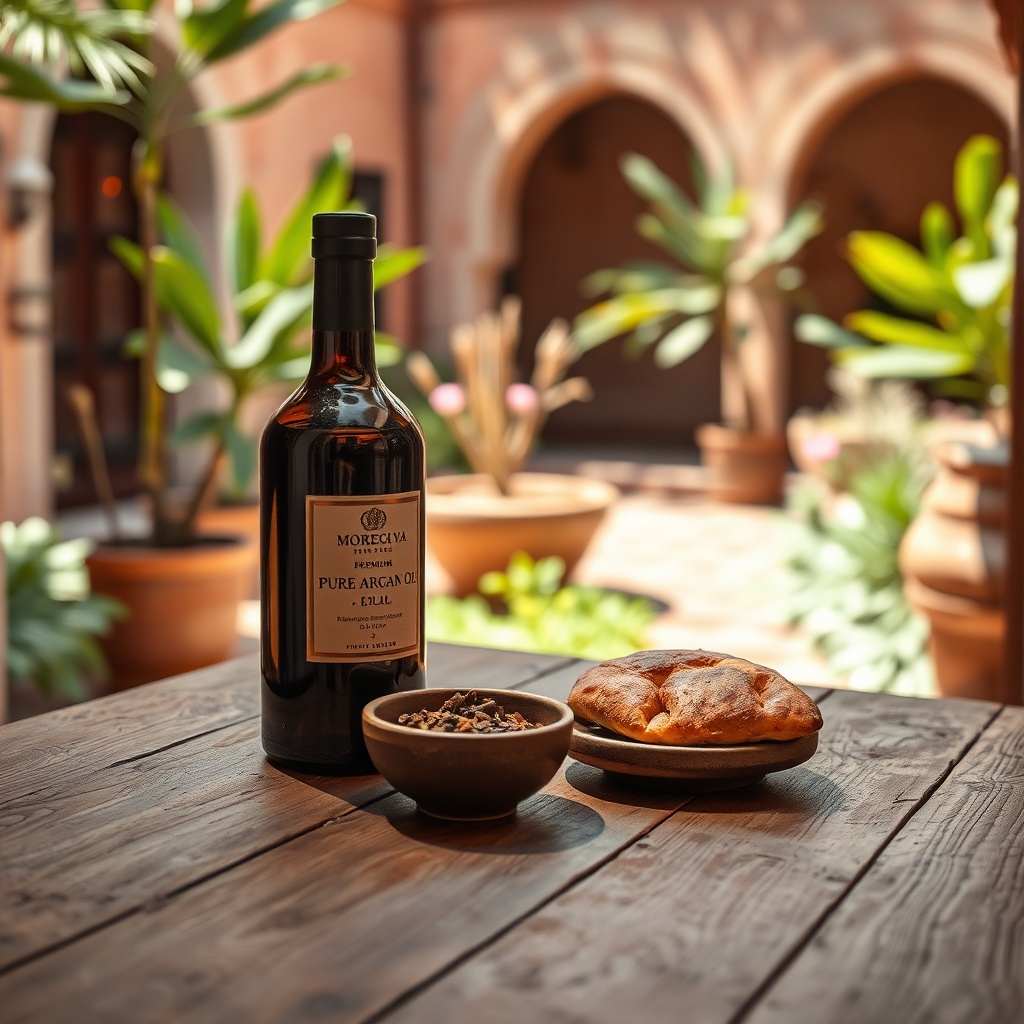
A curated selection of high-quality edible and cosmetic souvenirs from Casablanca.
🛍️ Où Acheter ses Souvenirs à Casablanca : Adresses Incontournables### Les Souks de la Médina : L’Âme Artisanale de Casablanca
Pour vivre une expérience immersive, il est essentiel de se perdre dans les dédales de la Médina. C’est ici que bat le cœur de l’artisanat Casablanca 2026. Le Souk des Teinturiers est célèbre pour ses étoffes aux couleurs vibrantes, tandis que le Souk des Bijoutiers regorge de parures en argent finement travaillées. La négociation y est une règle d’or et fait partie intégrante de l’échange social.
Le Marché Central: Modernité et Tradition
Le Marché Central est le lieu idéal pour ceux qui recherchent des produits frais et de qualité supérieure. C’est l’endroit parfait pour acheter des fruits secs, des olives de toutes sortes et des épices de premier choix. Sa structure couverte permet une visite agréable, peu importe la météo, faisant de ce lieu une étape clé de vos recommended Exciting Upcoming Events in Casablanca: Your Guide to Must-See Experiences and Transportation Services.
Boutiques Spécialisées et Coopératives d’Artisans
Si vous préférez éviter le tumulte des souks, tournez-vous vers les boutiques certifiées. Les coopératives de femmes sont une excellente option pour acheter de l’huile d’argan ou des tapis de manière éthique. Ces établissements garantissent souvent une traçabilité totale du produit, de la production à la vente.
Definition: Souk
Un souk est un marché traditionnel organisé par secteurs d’activité (cuir, épices, métaux, etc.), typique des villes marocaines, où la négociation est une pratique culturelle essentielle.
✅ Comment Reconnaître un Souvenir Authentique à Casablanca### Signes d’Authenticité pour les Produits Artisanaux
L’identification des souvenirs marocains authentiques demande un peu d’attention. Pour un tapis, vérifiez la présence de petites irrégularités dans le tissage, signe d’un travail manuel et non industriel. Pour le cuir des babouches, l’odeur doit être celle du cuir naturel et non celle de produits chimiques agressifs. Enfin, une lanterne en cuivre massif sera nettement plus lourde qu’une version en aluminium léger.
Labels et Certifications à Connaître
Cherchez les labels qui garantissent l’origine et la qualité. Le label “Artisanat du Maroc” est un gage de confiance pour les objets d’art. Pour les produits alimentaires et cosmétiques, assurez-vous qu’ils portent les mentions de certification bio, surtout pour l’huile d’argan, afin d’éviter les mélanges frauduleux avec des huiles végétales moins nobles.
Erreurs à Éviter Lors de l’Achat
Il est crucial de savoir éviter les arnaques souks Casablanca. Méfiez-vous des prix trop bas qui cachent souvent des matériaux de second choix ou des produits de contrefaçon. Testez toujours la solidité d’un objet ou la texture d’une crème avant de finaliser votre transaction.
Quick Answer : Comment savoir si l’huile d’argan est pure?
L’huile d’argan authentique a une odeur de noisette très légère et une texture légèrement collante sur la peau. Si elle est totalement inodore ou ressemble à une huile de table classique, elle est probablement coupée. Privilégiez les flacons opaques pour préserver ses propriétés.
💰 Budget et Conseils Pratiques pour Acheter Malin### Fourchettes de Prix par Type de Souvenir en 2026
Le budget voyage Casablanca varie énormément selon le type d’article. Un kilogramme d’épices de haute qualité peut coûter entre 150 et 300 MAD. Un tapis berbère peut varier de 1 500 MAD pour une petite pièce à plus de 15 000 MAD pour une pièce de collection. Les lanternes, quant à elles, commencent autour de 300 MAD pour des modèles simples.
Négociation : Techniques et Bonnes Pratiques
La négociation est un art au Maroc. Ne commencez jamais par le prix proposé par le vendeur ; proposez environ 50% à 60% du prix initial et progressez par étapes. Restez toujours courtois et souriant ; une négociation réussie est une interaction agréable pour les deux parties. Si le prix ne vous convient pas, n’hésitez pas à partir poliment, cela débloque souvent de meilleures offres.
Transport et Douanes : Ce qu’il Faut Savoir
Vérifiez les réglementations de votre pays d’origine avant de transporter des produits alimentaires ou des plantes. Pour les objets fragiles comme les céramiques, demandez au vendeur un emballage renforcé avec du papier bulle. Pour les voyages en avion, les liquides comme l’huile d’argan doivent être soigneusement scellés pour éviter tout débordement dans vos bagages. Pour une logistique sans stress, pensez aux Seamless Transfers: entre les villes.
Definition: Négociation
Processus de discussion entre un acheteur et un vendeur visant à trouver un accord sur le prix ou les conditions de vente, basé sur la compréhension mutuelle et le respect.
❓ FAQ : Questions Fréquentes sur les Souvenirs de Casablanca
Quels sont les souvenirs les plus typiques à rapporter de Casablanca en 2026? Les lanternes en cuivre, les tapis berbères et les produits à base d’huile d’argan restent les incontournables pour leur authenticité. Pour planifier votre séjour, consultez Discover Casablanca: The 20 Most Famous Hotels and How to Get There from CMN Airport.
Où trouver des souvenirs pas chers mais de qualité à Casablanca? Les souks de la Médina offrent les meilleurs prix, à condition de maîtriser l’art de la négociation.
Peut-on acheter des épices en vrac à l’aéroport de Casablanca? Il est possible d’en trouver, mais les prix y sont nettement plus élevés que dans les marchés locaux.
Comment transporter des lanternes en cuivre en avion sans les abîmer? Utilisez un emballage en mousse ou du papier bulle épais et placez-les au centre de votre valise pour les protéger des chocs.
Quels souvenirs éviter d’acheter pour des raisons éthiques ou légales? Évitez les produits en espèces protégées ou les imitations grossières qui ne soutiennent pas réellement l’artisanat local.
🎁 Conclusion
En suivant ce guide des Meilleurs Souvenirs Casablanca 2026 : Guide, vous êtes désormais armé pour dénicher des trésors qui racontent une histoire. Que vous choisissiez la chaleur d’un tapis tissé à la main ou les saveurs d’un mélange d’épices rare, chaque achat est une opportunité de soutenir l’économie locale et de préserver des savoir-faire uniques.
N’oubliez pas que le meilleur souvenir est celui qui est chargé de sens et de souvenirs de vos activités incontournables Casablanca. Explorez les quartiers avec curiosité, respectez les traditions et n’ayez pas peur d’engager la conversation avec les artisans. Votre voyage au Maroc ne s’arrête pas à votre retour ; il continue à travers les objets que vous aurez choisis avec soin.
Partagez vos propres découvertes et vos coups de cœur avec la communauté de voyageurs pour enrichir notre base de données!
Meta Description: Découvrez notre guide complet sur les Meilleurs Souvenirs Casablanca 2026 : Guide pour trouver des cadeaux authentiques, des tapis, des épices et de l’artisanat.
