Private Transport Morocco: The Complete Guide to Independent Travel (2026)
Morocco is a country that rewards those who travel on their own terms. While the train network connects major cities and buses cover most routes, A Comprehensive guide covers every option—from rental cars to private drivers and airport transfers—so you can choose the right approach for your trip.
Whether you are a solo traveler, a family with kids, a small group of friends, or a digital nomad working remotely from Marrakech, private transport offers flexibility and comfort that public transit cannot match. The key is understanding which option fits your travel style, budget, and itinerary.
Key Takeaways
- Flexibility is king: Private transport allows you to dictate your own schedule, stop for photos, and explore off-the-beaten-path locations that public transport cannot reach.
- Cost is context-dependent: The value of private transport varies greatly depending on your group size, itinerary length, and negotiation skills.
- The driver is the destination: A skilled private driver acts as a cultural guide, navigator, and safety net, often adding more value than the vehicle itself.
- Book strategically: For airport transfers and high-demand routes (e.g., Marrakech to Essaouira), pre-booking is essential; for other journeys, on-the-ground negotiation can be more cost-effective.
- Know your rights and regulations: Understanding local driving laws, insurance requirements, and the legal status of unofficial drivers is crucial for a safe trip.
The Complete Answer: What Are Your Private Transport Options in Morocco?

A family traveling comfortably in a private luxury SUV against the backdrop of the majestic Atlas Mountains, showcasing the freedom of independent travel.
Private transport Morocco encompasses any non-shared, on-demand mobility service. It is not a single product but a spectrum of choices, each with its own trade-offs between freedom, cost, and convenience.
The Four Main Options
Rental Car (Self-Drive)
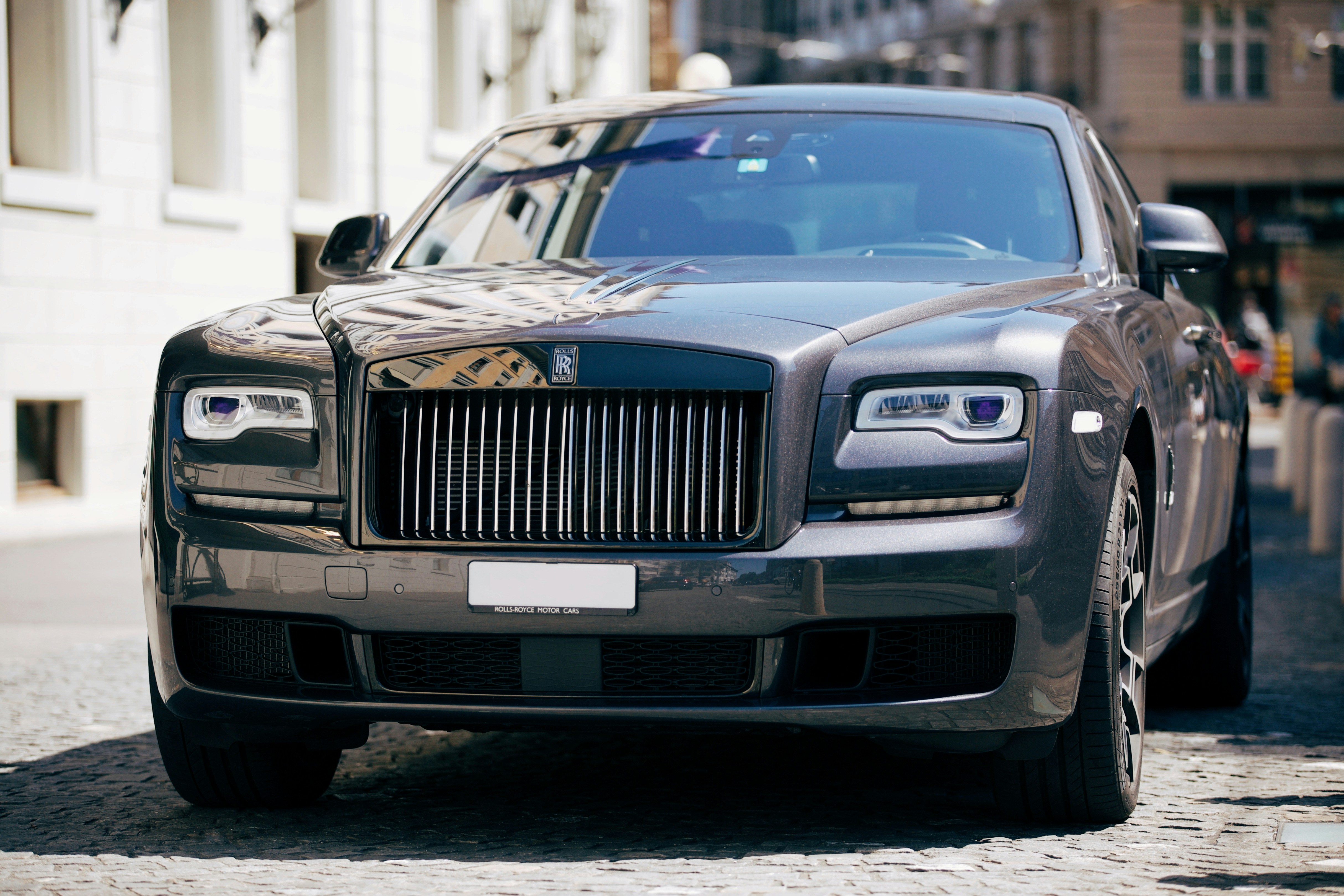
Rent a Luxury Car in Casablanca: Self-Drive vs. Chauffeur – Which is Best? products gives you full independence. You can go wherever a road exists, at whatever pace you like. The trade-off is that you must navigate Moroccan traffic, which can be chaotic in cities, and handle varied road conditions that range from excellent highways to winding mountain passes. Parking in medinas is often difficult, and you will need to budget for fuel and potential hidden fees from rental agencies.
Private Driver with Vehicle (Hired Chauffeured Car)
This is the most popular choice for many travelers. You hire a driver who provides the vehicle and drives it for you. You get a cultural guide, a navigator who knows the roads, and peace of mind. The downside is less privacy and the fact that you are somewhat tied to the driver’s schedule and preferences. For multi-day trips, you are also typically responsible for the driver’s accommodation and meals.
Private Airport Transfer
A pre-booked, point-to-point service, such as Fez Airport To Medina: Best Transport Options 2026 Guide, from Marrakech Menara Airport to a riad in the Medina. This is the simplest and most hassle-free option for arrival and departure days. You get a fixed price, no haggling, and a driver waiting for you at the arrivals gate. It is not designed for exploring but is ideal for getting from A to B safely.
Licensed Tourist Transport (Grand Taxi / Minibus)
You can hire an entire vehicle—a grand taxi or a minibus—for a day or a multi-day trip, often with a fixed itinerary. This is particularly cost-effective for larger groups of 6 or more people. It is a licensed service, which adds a layer of safety and accountability, but it usually requires advance booking and is less flexible than a private car.

A chauffeur greeting a passenger with luggage at a Moroccan airport, demonstrating reliable private transport and airport transfer services.
How to Choose the Right Option for Your Trip
The best option depends entirely on your travel style and group composition.
- Solo traveler or couple: A rental car offers the most freedom for short routes, while a private driver works well for longer legs where you want to enjoy the scenery without driving.
- Family with kids: A private driver with a large vehicle, such as a minivan or SUV, is usually the safest and most comfortable choice. You can stop whenever needed for bathroom breaks or snacks, and the driver can recommend family-friendly stops.
- Adventure seekers: A 4×4 rental is the go-to for desert or mountain excursions where you want to take unpaved tracks and explore remote areas on your own.
A general rule of thumb is that private drivers become more cost-effective for groups of three or more, or for long, multi-day itineraries where the driver’s local knowledge saves you time and money.
The “Hybrid” Approach
For many travelers, the smartest strategy is a mix. Use private transfers for key legs where public transport is slow or complicated—such as a Marrakech to Fez private transfer through the desert—and self-drive for shorter, flexible day trips from a base city. This gives you the best of both worlds.
A Quick Comparison of Private Transport Options
| Option | Best For | Pros | Cons | Typical Cost Level |
|---|---|---|---|---|
| **Rental Car (Self-Drive)** | Independent explorers, couples | Total freedom, no waiting, can go anywhere a road exists | Requires driving in chaotic traffic, parking and fuel costs, potential for hidden fees | Medium |
| **Private Driver (Chauffeured)** | Small groups, families, first-timers | No driving stress, local knowledge, safety, door-to-door service | Less private, driver’s schedule is a factor, cost per day is higher than a rental | High |
| **Private Airport Transfer** | All travelers on arrival/departure | Pre-booked, hassle-free, fixed price, no haggling | Limited to point-to-point, not for exploring | Low to Medium |
| **Hired Minibus (Licensed)** | Large groups, day tours | Cost-effective for 6+ people, space for luggage | Requires advance booking, less flexible than a car | Medium |
The Insider’s Guide to Hiring a Private Driver in Morocco
Transferts Prives in Morocco is more than a transaction; it is a cultural exchange. Understanding the unwritten rules can transform a good trip into an exceptional one.
Step-by-Step: How to Find and Hire a Reliable Driver
- Source your driver: Ask your riad or hotel for recommendations. They usually have trusted partners they work with regularly. Alternatively, use a reputable booking platform that vets drivers and offers some form of customer protection.
- Vet the driver: Check for a valid license, insurance, and a well-maintained vehicle. Ask for references from past clients. A good driver will be happy to provide them.
- Agree on a price: Negotiate a fixed daily rate that includes fuel, driver’s accommodation, and meals if it is a multi-day trip. Get the final price in writing—a WhatsApp message is standard and perfectly acceptable in Morocco.
- Confirm the itinerary: Share your planned route and ask for their input on road conditions, timing, and any must-see stops along the way.
- Set expectations: Clarify the daily driving limit, pick-up times, and the driver’s role. Are they just driving, or will they act as a guide? This prevents misunderstandings later.
- Pay and tip: Pay at the end of the trip. Tipping is customary and appreciated, showing your satisfaction with the service.
The Etiquette of the Road: Understanding the Unwritten Rules
The “Souq” of Negotiation
Prices for tourists are often inflated, and this is part of the game. Negotiate politely and with a smile. A firm but friendly “That’s too much, my friend” is more effective than an aggressive confrontation. The goal is a fair price for both sides, not to win a battle.
The Role of the Driver’s Knowledge
A good driver is your gateway to authentic experiences. They can steer you away from tourist traps, recommend a family-run restaurant in a small village, and even negotiate better prices at local shops. Their knowledge is part of what you are paying for.
The “Tea” Factor
Sharing a cup of mint tea with your driver is a crucial social ritual. It is a moment to pause, talk about the journey, and build rapport. This simple act can transform the dynamic of the trip, turning a hired service into a genuine partnership.
Navigating the Costs: How to Budget for Private Transport
Instead of focusing on fixed prices, which fluctuate with season and route, it is more useful to understand the components of your budget so you can calculate your own estimate.
A Framework for Calculating Your Daily Budget
- The Core Components: Your main costs are the vehicle rental (if self-drive) or the driver’s fee (if chauffeured). Add to that fuel costs, which are variable, plus tolls and parking fees. For multi-day trips with a driver, you are also responsible for their accommodation and meals.
- The “Hidden” Costs: Be aware of potential extras like airport pickup fees, late-night surcharges, and the cost of extra stops or extended days. Always clarify these before you agree on a price.
- The Group Size Factor: A private driver becomes significantly more economical for a group of 4-5 people compared to a couple. The fixed cost of the driver and vehicle is spread across more travelers.
Strategies to Save Money Without Sacrificing Comfort
Option 1: Book one-way transfers. Instead of a round-trip, hire a driver for a one-way journey and use public transport for the return leg. This works well for routes like Marrakech to Essaouira.
Option 2: Share a private transfer. Use online forums or ask your riad to find other travelers going the same route and split the cost of a minibus. This is a great way to meet people and cut costs.
Option 3: Negotiate multi-day packages. Drivers are often willing to offer a better rate for a 5-day tour than for 5 separate day-hires. A longer commitment gives them guaranteed work, so they are more flexible on price.
The Ultimate Itinerary: Planning a Multi-Day Private Transport Route
To understand the value of private transport, it helps to see it in action. Here is a practical template for a classic Moroccan circuit that shows how private transport unlocks the full experience.
A 7-Day Classic Circuit: Marrakech to Fes via the Desert
Day 1-2 (Marrakech to Ait Ben Haddou): Using a private driver to navigate the Tizi n’Tichka pass, you can stop at the famous kasbah of Ait Ben Haddou. This is a UNESCO World Heritage site and a must-see. The drive through the High Atlas Mountains is a highlight in itself.
Day 3-4 (Ait Ben Haddou to Merzouga via Ouarzazate): The long drive through the Dades Valley and Todra Gorge is spectacular. This is a journey where the stops matter as much as the destination. You end with a night in a desert camp in Merzouga, where you can experience a camel trek at sunset.
Day 5-7 (Merzouga to Fes): The journey continues through the Ziz Valley and the Middle Atlas Mountains, arriving in Fes for a city break. The landscape changes dramatically from desert to cedar forests, and your driver can point out the best viewpoints along the way.
Why Private Transport is Essential for This Route (and Not Just a Luxury)
The Time Factor: Public buses and trains for this route are slow, infrequent, and require multiple transfers, often taking 2 days longer. A private driver turns a multi-day logistical puzzle into a seamless journey.
The Scenery Factor: The most beautiful parts of this route are the stops—the viewpoints over the Dades Valley, the narrow gorge of Todra, the endless dunes of Erg Chebbi. These are impossible to appreciate from a bus window.
The Logistics Factor: The ability to leave your luggage in the car while you explore a kasbah or go on a camel trek is a huge advantage. You can bring everything you need without worrying about carrying it on and off buses.
Safety, Regulations, and What to Know Before You Go
Navigating the legal and safety landscape is essential for a smooth trip. Here is a checklist of what to know before you get behind the wheel or hire a driver.
The Legal Framework: Licenses, Insurance, and Permits
Driving License: An International Driving Permit (IDP) is required alongside your national license. You should verify the current requirements with your local automobile association before you travel, as rules can change.
Vehicle Insurance: The importance of comprehensive insurance that covers damage, theft, and third-party liability cannot be overstated. Make sure your rental agreement includes it, or that your private driver has valid insurance for their vehicle.
The “Police de Route”: You may be stopped at police checkpoints. Stay calm, present your documents (license, IDP, passport, and vehicle papers), and be polite. This is a routine procedure, not a cause for alarm.
Staying Safe: Practical Tips for the Moroccan Road
Driving Style: Defensive driving is essential. Anticipate sudden stops, be prepared for vehicles overtaking in unexpected places, and use your horn as a communication tool—it is common practice.
The “Camel” Factor: Livestock on the road is a real possibility, especially at dusk. Be prepared to slow down or stop for camels, donkeys, and sheep. Patience is key.
The “Mountain” Factor: Driving on winding mountain passes like the Tizi n’Tichka and Tizi n’Test requires extra care. Use lower gears on descents, be aware of oncoming buses, and take breaks if you feel tired.
Frequently Asked Questions (FAQ)
Is it safe to hire a private driver in Morocco? Yes, provided you use a licensed driver with a reputable company or a verified recommendation from your accommodation. A good driver is your safety net, not just a chauffeur.
How much does a private driver cost per day in Morocco? The cost varies significantly based on the vehicle type, route, and season. A general budget range per day is a good starting point, but you should always get a written quote that includes fuel and driver’s expenses for multi-day trips.
Can I rent a car in Morocco with a foreign license? Yes, but you will need an International Driving Permit (IDP) in addition to your standard license. Verify the current requirements before you travel.
Is it better to rent a car or hire a driver in Morocco? For most travelers, hiring a driver is the safer and less stressful option, especially for multi-day trips. Self-drive is best for those who are confident driving in chaotic conditions and want maximum independence.
Do I need to tip my private driver in Morocco? Yes, tipping is customary and appreciated. A tip of 10-15% of the total trip cost is a standard guideline, reflecting your satisfaction with the service.
Conclusion
Private transport in Morocco is not just a luxury; it is a strategic tool that unlocks the country’s true potential for independent travelers. It allows you to go beyond the tourist trail, to travel at your own pace, and to connect with the country in a way that public transport simply cannot offer.
The key is to match the transport option to your travel style and budget. Whether you choose the independence of a rental car or the cultural depth of a private driver, the right choice will make your journey smoother and more memorable. A good driver, in particular, can be the highlight of your trip—a companion, a guide, and a friend who opens doors you would never find on your own.
Have you traveled with a private driver in Morocco? Share your experiences or ask any questions in the comments below.